

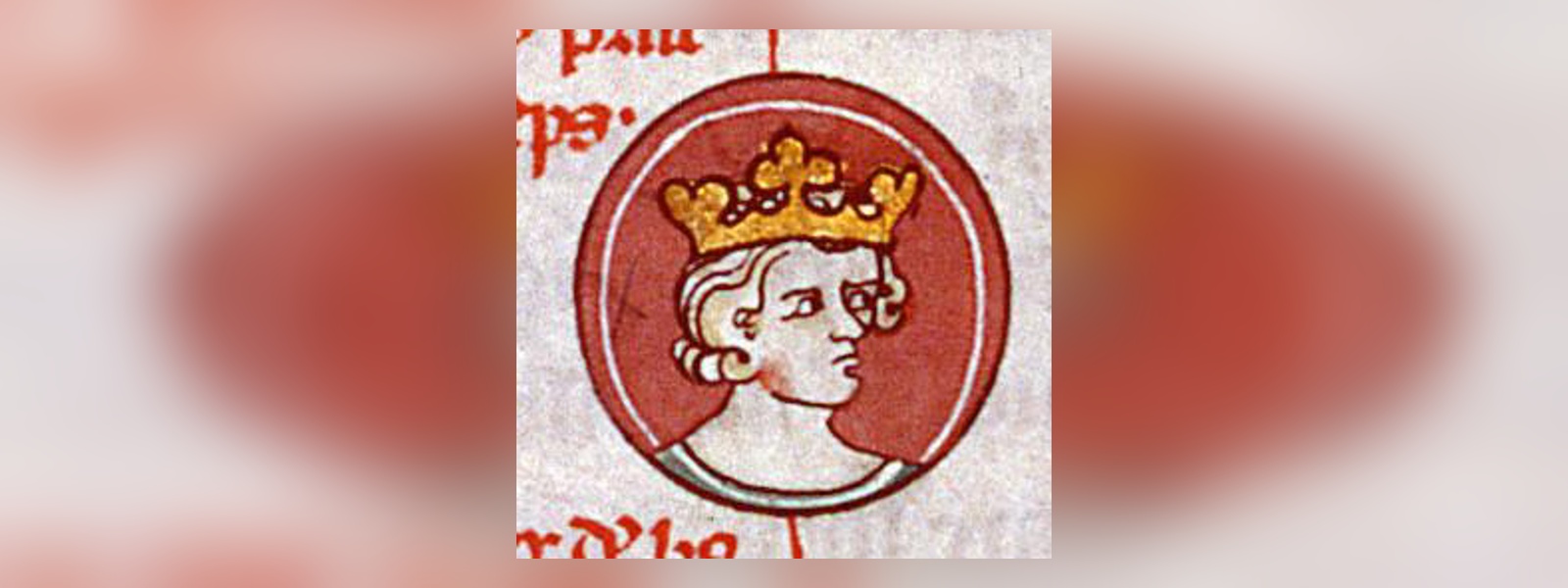
Robert I: The Robertian King of Civil War (922–923)
p4922 à 923
In 922, the political crisis opposing Charles the Simple to part of the Frankish aristocracy reaches a breaking point. A coalition of great princes and counts decides to depose the Carolingian king and raise in his place a member of another great family: Robert I, brother of King Odo and head of the powerful Robertian line.
The gesture is heavy with meaning. For the second time in a generation, the crown escapes a Carolingian. This does not mean Charlemagne’s dynasty has vanished, but it shows kingship is no longer only inheritance: it now depends on the consent and support of the kingdom’s great men.
Robert is proclaimed king on 29 June 922 and anointed on 30 June at Reims, a major place of royal legitimacy. Yet his power remains fragile. Charles the Simple is still alive and keeps supporters, especially in Lotharingia. The kingdom then enters open civil war.
🔍 Zoom – 922: election and anointing of Robert I
🧩 Governing through alliances and territories
Robert I’s reign is extremely brief, but it illustrates how monarchy works at this time.
The king does not govern alone: his authority rests on an aristocratic alliance network. His main supporters include:
- Hugh the Great, his son and heir to Robertian power;
- Rudolph of Burgundy, duke of Burgundy and Robert’s son‑in‑law;
- several great northern counts.
In this fragile monarchy, power is played out in strategic places:
- Reims, religious and symbolic centre of anointing;
- Laon, a royal fortress controlling northern routes;
- rich abbeys, concentrating economic resources and religious prestige.
Controlling these places means controlling political authority. Great aristocratic families use these resources to consolidate influence and support or overthrow kings.
Meanwhile, Charles the Simple does not renounce power. Taking refuge in Lotharingia, he gathers supporters and prepares a return. The kingdom divides between two rival camps.
🔍 Zoom – 923: war in Lotharingia and an impossible balance
⚔️ 15 June 923: the battle of Soissons
The conflict reaches its peak in 923.
Charles the Simple manages to gather an army and marches into West Francia. The two camps meet near Soissons, on the banks of the Aisne.
The battle takes place on 15 June 923.
The first charges seem favourable to Robert’s camp. But the fight quickly turns chaotic: Robert I is killed in the mêlée, struck down amid the fighting.
The king’s death could have caused his side to collapse. Yet the Robertians continue. Reinforcements led by Herbert II of Vermandois ultimately push back Charles’s forces.
The battle of Soissons therefore does not end the war, but it radically changes the political situation: the king is dead, yet his camp still holds power.
🔍 Zoom – 923: Soissons and the end of Robert’s reign
👑 Summer 923: Rudolph elected king, Charles captured
After Robert’s death, the great men must quickly find a new solution. Robert’s son Hugh the Great is still young and prefers to remain the kingdom’s strongman rather than wear the crown himself.
The aristocratic coalition chooses a compromise: Rudolph of Burgundy, duke of Burgundy and Robert’s son‑in‑law.
Rudolph is proclaimed king and anointed on 13 July 923 at the abbey of Saint‑Médard of Soissons.
Meanwhile, Charles the Simple tries to regain initiative. But a decisive event ends his immediate ambitions: he is captured on 17 July 923 by Herbert II of Vermandois, one of the most powerful princes in the kingdom’s North.
Charles is imprisoned in the fortress of Péronne, where he remains for many years.
Civil war does not disappear overnight, but the balance of forces changes deeply: Charles’s captivity deprives the Carolingians of a leader and allows King Rudolph to consolidate power progressively.
🔍 Zoom – Summer 923: from Robert to Rudolph, and Charles’s capture
🧠 Key takeaways
- 922: Charles the Simple is deposed and Robert I elected by a coalition of great men.
- 922–923: the kingdom is plunged into civil war between Robertians and Carolingians.
- 15 June 923: battle of Soissons; Robert is killed but his camp keeps the advantage.
- 13 July 923: Rudolph of Burgundy is chosen as king.
- 17 July 923: Charles the Simple is captured, durably transforming political balance.
Image credits
- Portrait of Robert I — Bibliothèque municipale de Besançon, Public domain, via Wikimedia Commons