

The earliest human traces
p1The Origins of Humanity · PREHISTORY
📍 The earliest traces of human presence in France
🕰️ When do the first human traces date from?
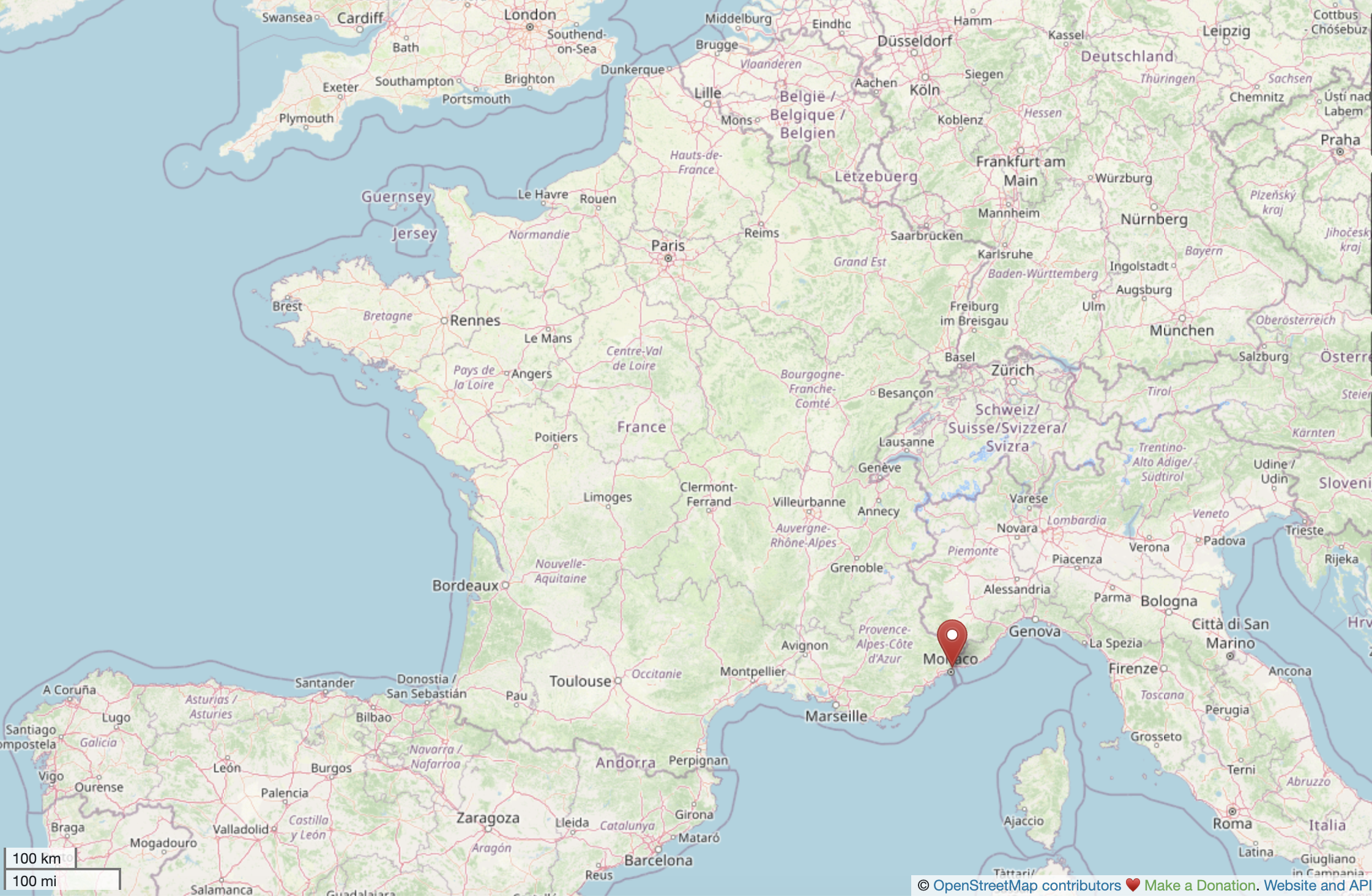
Location map of the Vallonnet Cave (Alpes-Maritimes), one of the oldest human occupation sites in France.
The earliest traces of human presence discovered in France date back to around 1 million years ago.
These traces do not correspond to cities or dwellings, but to evidence of human activity preserved in the ground.
They reflect the passage or temporary settlement of very ancient human groups, long before the emergence of writing or agriculture.
🪨 What types of traces have been found?
Archaeologists identify human presence through several types of material remains.
🔹 Stone tools
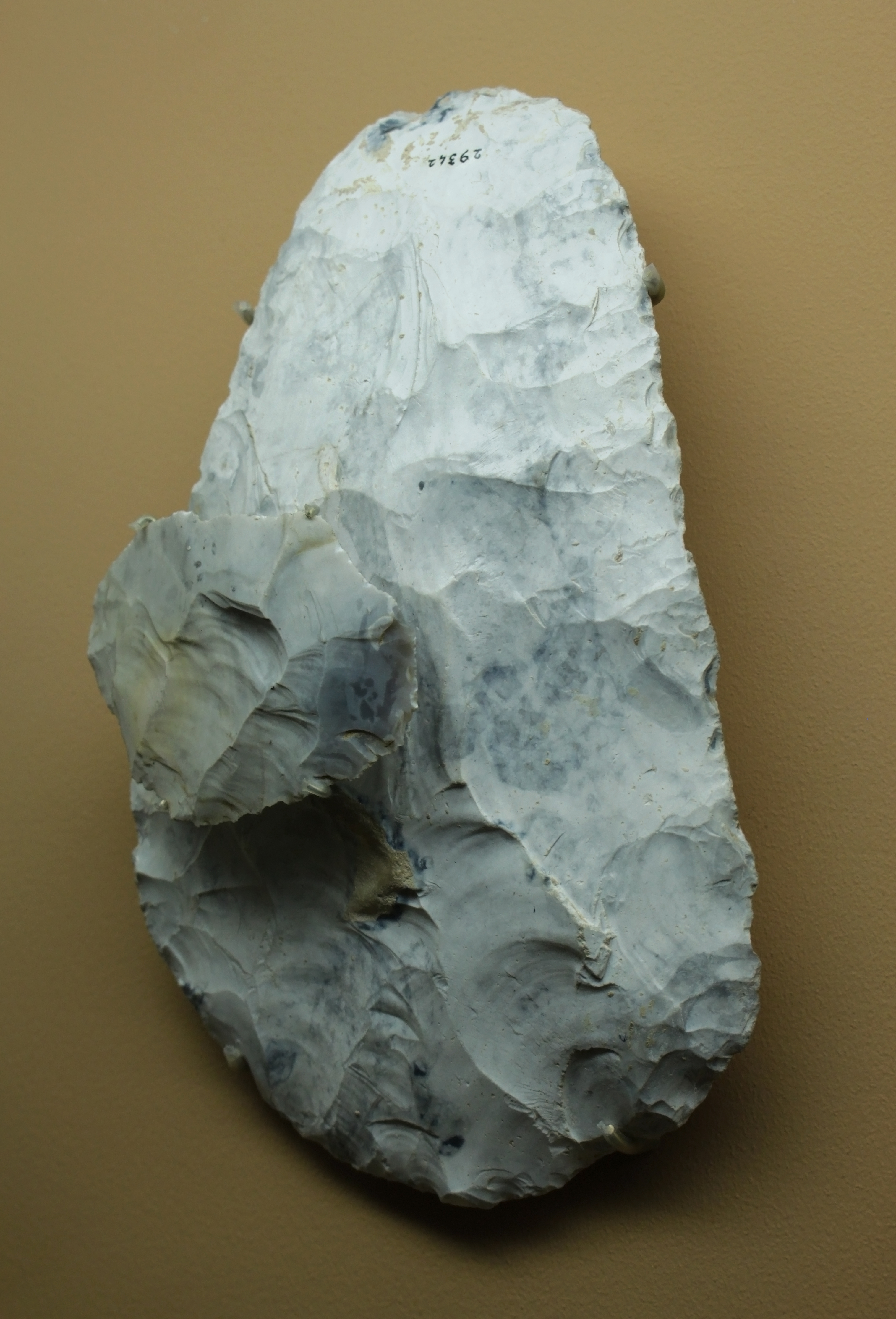
Stone hand axe used by early humans to cut and work materials.
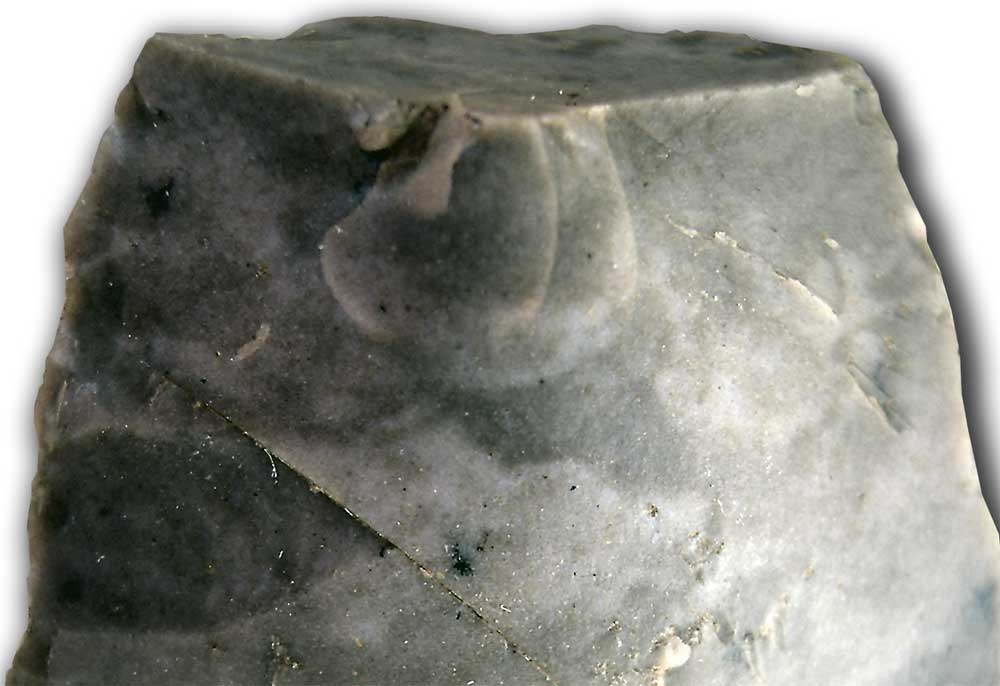
Bulb of percussion on a flint flake showing a characteristic conchoidal fracture.
These tools include:
- sharp flakes,
- modified pebbles,
- hand axes.
They were used to cut meat, break bones, and work wood or hides.
🔹 Animal remains and cut marks
Animal bones bearing cut marks, evidence of human activity.
Some discoveries show animal bones with marks left by stone tools, indicating:
- meat processing,
- carcass exploitation,
- sometimes marrow extraction.
🔹 Evidence of site occupation
Archaeological site of Pont-de-Lavaud (Creuse), revealing early human occupation.
Archaeologists also find:
- tool-making areas,
- concentrations of remains,
- very early hearths (rarer for the earliest periods).
These elements confirm that humans made tools and used their environment in what is now France.
🗺️ Where are these early traces located?
Map of the main prehistoric sites known in France.
The oldest sites are mainly located:
- in southern France,
- along river valleys,
- in areas favorable to temporary human settlement.
📸 Image credits
- Vallonnet Cave location — ©OpenStreetMap
- Saint-Acheul hand axe — Muséum de Toulouse, CC BY-SA 4.0, via Wikimedia Commons
- Conchoidal fracture — José-Manuel Benito Álvarez, CC BY-SA 2.5, via Wikimedia Commons